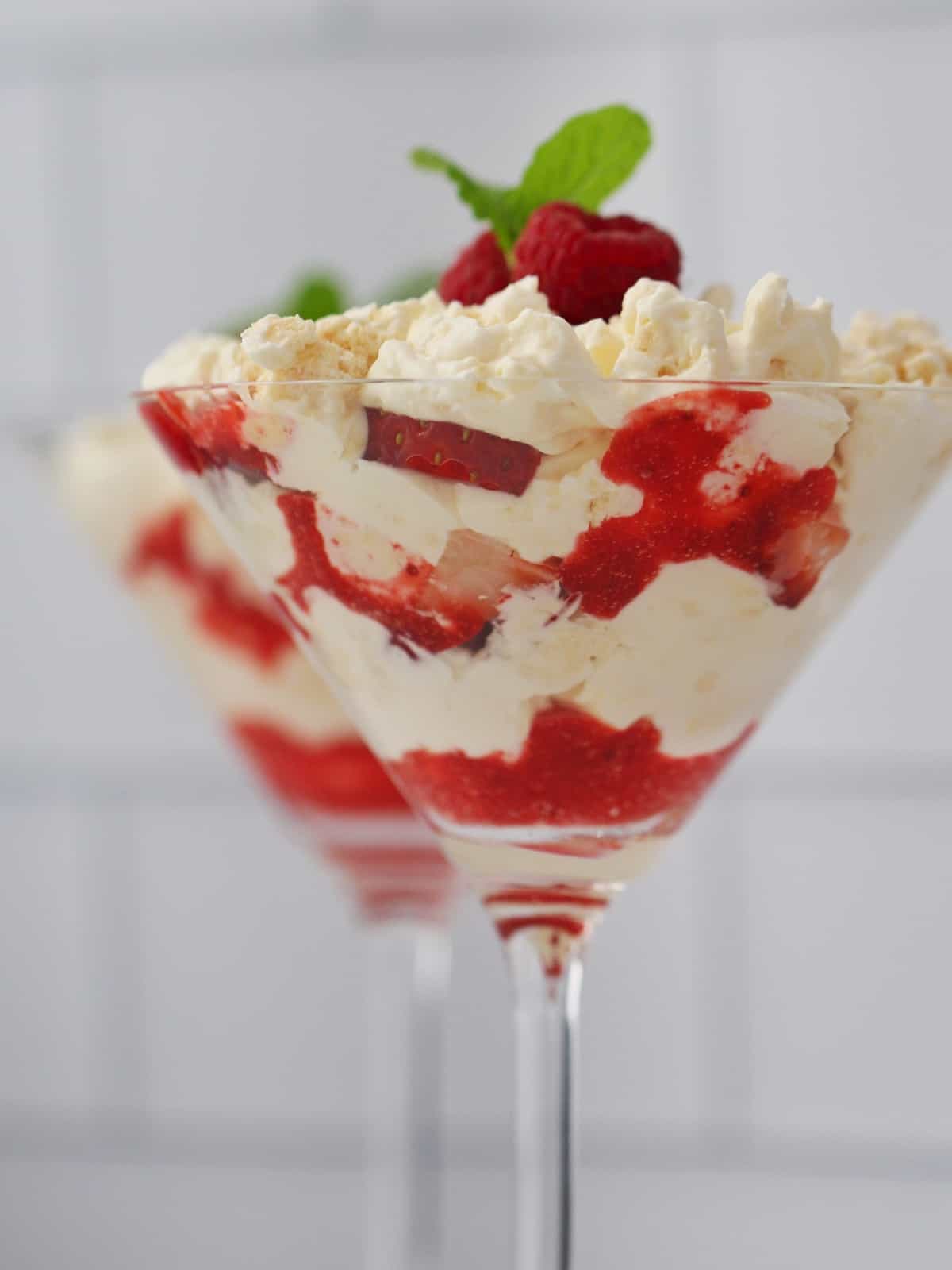
Mastering Meringue: Your Guide to Perfect Pavlova Cake
There are few desserts that captivate quite like the Pavlova. With its ethereal appearance, crisp outer shell, and delightfully soft, marshmallow-like center, it's a culinary masterpiece that never fails to impress. Often seen gracing tables at celebrations, the Pavlova is more than just a sweet treat; it's an experience, a symphony of textures and flavors. Whether you're aiming for a classic stacked Pavlova, or taking inspiration from its deconstructed cousin to create an exceptional eton mess meringue pavlova cake, understanding the fundamentals of meringue is your first step towards dessert nirvana.The Allure of Pavlova: A Culinary Ballet on a Plate
Named after the celebrated Russian ballerina Anna Pavlova, this iconic dessert is a testament to elegance and lightness. Its structure, a delicate meringue base, is inspired by the dancer's graceful movements and airy tutu. What sets a perfect Pavlova apart is its unique texture: a wonderfully brittle, crunchy crust that gives way to a chewy, cloud-like interior, a stark contrast to the uniformly crisp texture of a traditional meringue. This distinct characteristic makes it an ideal canvas for luscious whipped cream and vibrant seasonal fruits. The beauty of a Pavlova lies in its versatility and inherent freshness. While it's often associated with summer's bounty – particularly strawberries, for which many patiently await the local harvest – it can be adapted to any season with berries, stone fruits, or even citrus. Imagine the joy of serving a towering, fruit-laden Pavlova at your next gathering, knowing you’ve created something truly spectacular. Its impressive presentation makes it a go-to choice for those special occasions where you want to delight and awe your guests.The Science of Perfect Meringue: Your Foundation for Success
The heart of any Pavlova is its meringue, and while it might seem intimidating, achieving perfection is entirely within reach with a few key techniques and a touch of scientific understanding. The secret lies in creating a stable, voluminous meringue that bakes beautifully.Essential Tips for Meringue Mastery:
- Choose Your Bowl Wisely: Always opt for a stainless steel or glass bowl when whipping egg whites. Plastic bowls, even when seemingly clean, can harbor microscopic traces of fat or oil, which are the sworn enemies of meringue. Even a tiny speck of fat from egg yolk or an unclean surface can prevent your egg whites from whipping up to their full, glorious volume.
- Spotless Utensils: Just like your bowl, ensure your whisk and any other utensils are impeccably clean and completely dry. Any moisture or grease will compromise your meringue.
- Egg Temperature is Key: While cold eggs are easier to separate (the yolks are firmer and less likely to break), egg whites whip best at room temperature. Cold egg whites are more viscous, making it harder for air bubbles to form and stabilize. So, separate your eggs when they’re cold, then let the whites sit out for 20-30 minutes before whipping.
- The Acid Test: A touch of acid, like white wine vinegar or lemon juice, helps to stabilize the egg whites, allowing them to reach maximum volume and glossiness. Cornstarch, often added towards the end, aids in creating that signature marshmallowy interior.
- Whip Until Stiff and Glossy: Begin whipping your egg whites until they are foamy, then gradually add the granulated sugar, a little at a time. This slow incorporation ensures the sugar dissolves properly, resulting in a smooth, stable, and glossy meringue. You're looking for stiff peaks that hold their shape. A daring test of a well-whipped meringue is to hold the bowl upside-down over your head – if it's truly perfect, it won't budge! (Proceed with caution and confidence!).
From Meringue to Masterpiece: Assembling Your Pavlova Cake
With your perfect meringue base ready, the transformation into a stunning Pavlova cake is simple. Here’s a foundational recipe that you can adapt and expand upon:Classic Pavlova with Fresh Strawberries
(Yields 6-8 servings, perfect for a single large Pavlova or two smaller layers)Ingredients:
- 4 large egg whites (at room temperature)
- 1 cup minus 1 tbsp (approx. 220g) granulated sugar
- 1 tsp cornstarch
- 1 tsp white wine vinegar (or lemon juice)
- 2 cups heavy whipping cream
- 1 tbsp powdered sugar (for cream)
- Finely grated zest from 1 lemon (optional, for cream)
- 500g fresh strawberries (about 4 cups), hulled and sliced
- Powdered sugar for dusting (optional)
Instructions:
- Preheat & Prepare: Preheat your oven to 150°C (300°F). Line a baking sheet with parchment paper. If making a layered cake, you can draw two circles (approx. 8-9 inches diameter) on the parchment paper as guides.
- Whip Egg Whites: In a very clean, dry stainless steel or glass bowl, whip the room-temperature egg whites with an electric mixer until foamy.
- Add Sugar Gradually: Slowly add the granulated sugar, a tablespoon at a time, continuing to whip on medium-high speed. Do not rush this step; allow the sugar to dissolve into the egg whites.
- Achieve Stiff Peaks: Continue whipping until the mixture is thick, glossy, and forms stiff peaks. When you lift the whisk, the meringue should hold its shape firmly.
- Incorporate Stabilizers: Gently fold in the cornstarch and white wine vinegar until just incorporated.
- Shape the Meringue: Divide the meringue mixture between your drawn circles on the baking sheet. Using a spoon or an offset spatula, spread out the meringue, creating a slight well in the center if desired (this helps hold the cream and fruit). Leave a little space between the meringues if making two, as they will expand slightly.
- Bake to Perfection: Place the baking sheet with the meringues in the lower part of the oven. Immediately reduce the oven temperature to 110°C (230°F). Bake for 1 hour and 30 minutes to 1 hour and 45 minutes, or until the meringues are firm to the touch and sound hollow when tapped.
- Cool Completely: Turn off the oven and leave the meringue in the oven with the door ajar for several hours, or preferably overnight, to cool completely. This slow cooling prevents cracking and ensures that delightful crisp exterior.
- Prepare Cream: In a cold bowl, whip the heavy cream with powdered sugar and lemon zest (if using) until soft peaks form. Be careful not to over-whip.
- Assemble & Serve: Once the meringue is fully cooled, carefully transfer one meringue layer to your serving plate. Spread half of the whipped cream over it, then arrange a generous portion of fresh strawberries. Top with the second meringue layer (if making a stacked cake), the remaining cream, and more strawberries. Dust with powdered sugar if desired. Serve immediately.
Beyond the Basic: Elevating Your Eton Mess Meringue Pavlova
While a classic Pavlova is magnificent, you can infuse it with the charm and delightful chaos of an Eton Mess to create an even more dynamic and flavorful dessert. An eton mess meringue pavlova cake embraces the best of both worlds: the structural elegance of a Pavlova with the rustic, joyful medley of broken meringue, cream, and fruit characteristic of Eton Mess. To achieve this hybrid, you can intentionally break some of your baked meringue into smaller shards, mixing them into the whipped cream and fruit layers, or simply dot them around the assembled Pavlova. This not only adds varied textures but also makes for a visually intriguing "deconstructed" Pavlova cake. Experiment with different berries – raspberries, blueberries, and blackberries are fantastic additions alongside strawberries, creating a vibrant burst of color and flavor. You could even drizzle a berry coulis or a passion fruit sauce for an extra layer of complexity. Thinking about making a show-stopping dessert for your next event? Explore further ideas and techniques in our article, Crafting the Dreamy Eton Mess Pavlova for Special Occasions. This approach allows for more spontaneity and less concern for "picture-perfect" slices, embodying a spirit of relaxed indulgence – much like enjoying a midsummer feast where the emphasis is on good company and delicious food, rather than flawless presentation.Using Leftover Egg Yolks:
Don't let those beautiful golden yolks go to waste! Meringue making often leaves you with a bounty of yolks, which can be transformed into other delectable treats:- Rich Custards: Think classic crème brûlée, pots de crème, or a velvety chocolate pudding.
- Ice Cream Bases: Many indulgent ice creams, especially those with a custard base like berry cheesecake ice cream, rely heavily on egg yolks for their creamy texture.
- Hollandaise or Mayonnaise: For a savory twist, yolks are essential for emulsified sauces.
- Storing Yolks: If not using immediately, place whole (or even broken) egg yolks in a clean, airtight container, add a splash of water (about a teaspoon per yolk) to prevent them from drying out, cover tightly with plastic wrap directly on the surface, and refrigerate for 1-2 days.
